Skip to content
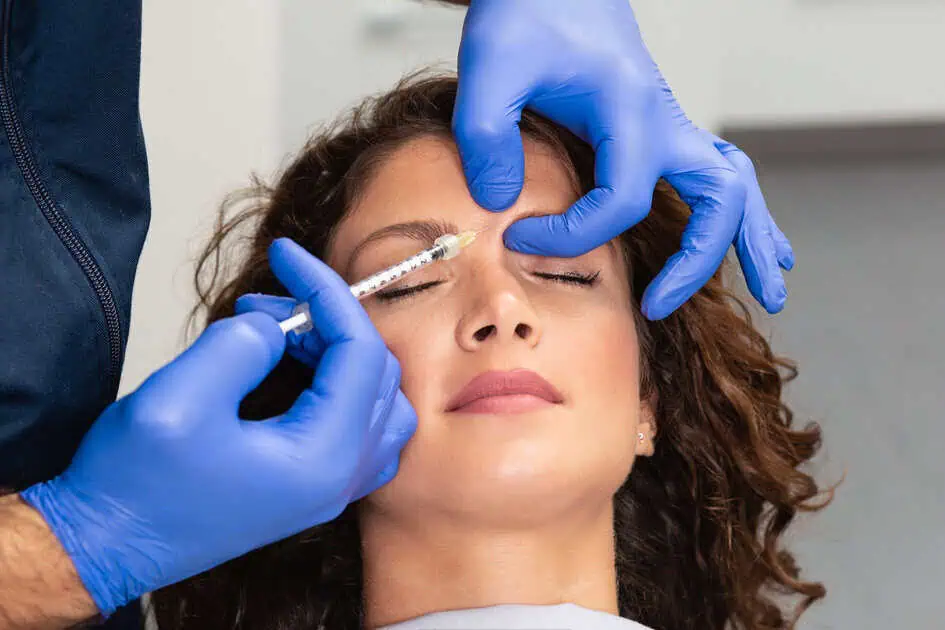
Table of Contents
Botox is often associated with smoother skin, but its role goes beyond simply softening a line. Many facial wrinkles develop because the same muscles repeatedly contract when you frown, squint, raise your eyebrows, or concentrate. A carefully planned Botox treatment can reduce some of that activity, allowing expression lines to look less pronounced while preserving the features that make your face recognizable.
For patients who want a refreshed appearance without surgery, the aim is usually to reduce the visual tension that can make certain areas look tired or more lined over time.
How does Botox soften expression lines while keeping your appearance natural?
Botox works by temporarily reducing muscle activity in targeted areas that contribute to repeated facial creasing. This can soften forehead lines, frown lines, and crow’s feet while allowing untreated muscles to continue moving normally, helping create a smoother and more refreshed appearance without changing your natural facial features.
Why Expression Lines Become More Noticeable
Some wrinkles appear mainly during movement, while others gradually remain visible when the face is relaxed. Repeated muscle activity is one reason this happens. The forehead, the area between the eyebrows, and the outer corners of the eyes are especially active throughout the day.
Botox temporarily limits signals between targeted nerves and muscles. When selected muscles contract less strongly, the skin above them is not repeatedly folded to the same degree. This is why neurotoxin injections are commonly used for dynamic wrinkles rather than concerns caused primarily by volume loss, skin laxity, or pigmentation.
How Botox Can Create a More Rested Look
A successful result does not require every line to disappear. In many cases, the more natural goal is to soften areas that attract attention while allowing normal facial movement to remain. This can make the upper face appear less tense, especially when strong frown lines or forehead creases create a stern or fatigued expression at rest.
For wrinkle reduction, placement and dosing matter as much as the product itself. An experienced injector evaluates how the face moves before deciding which muscles may benefit from treatment and how much product to use.
4 Areas Botox May Help Refresh
Botox can be used in several facial areas, although the plan should reflect each person’s muscle pattern and goals.
- Forehead lines: A forehead lines treatment may soften horizontal creases caused by repeated eyebrow lifting while keeping the brows appropriately supported.
- Frown lines: The vertical lines between the eyebrows can become pronounced with concentration or squinting, and targeted treatment may help them appear softer.
- Crow’s feet: Fine lines at the outer corners of the eyes are often linked to smiling and squinting, and carefully placed injections can reduce their prominence.
- Brow position: In selected patients, treatment around specific muscles may create a subtle lifting effect by reducing downward pull, although brow shape and eyelid position must be considered.
Botox Is Only One Part of Facial Rejuvenation
Botox is useful for movement-related lines, but it does not address every sign of facial aging. Skin texture, sun damage, facial volume changes, and laxity can all affect how refreshed someone looks. This distinction matters because facial rejuvenation works best when the treatment matches the source of the concern.
A patient bothered mainly by expression lines may need a different plan from someone concerned about cheek volume or deeper folds. During a consultation, the injector can identify which changes are related to muscle movement and which may require another approach. This keeps the plan focused on the patient’s actual priorities.
What to Expect From Treatment and Results
A Botox appointment is generally brief. The provider reviews the areas of concern, medical history, facial movement, and treatment goals before injecting small amounts of product into selected muscles with a fine needle. Temporary redness, swelling, tenderness, or small bumps can occur at the injection sites.
Results do not appear instantly. Muscle activity gradually decreases over the following days, and treated lines may begin to look softer as the effect develops. Botox is temporary, so movement returns as the product wears off. Duration varies based on the treatment area, dose, metabolism, and individual muscle activity.
Follow-up timing also differs from person to person. Some patients return when movement begins to reappear, while others prefer longer intervals based on their goals and response.
Keeping Results Natural Rather Than Overcorrected
Some patients worry that Botox will make them look stiff or noticeably treated. Natural-looking results depend on facial balance rather than trying to eliminate every expression. The forehead, brows, and eye area influence one another, so treatment in one area can affect the appearance of another.
A thoughtful plan considers eyebrow position, eyelid anatomy, muscle strength, facial symmetry, and the expressions a patient wants to preserve. Starting conservatively can also help the injector see how an individual responds before deciding if future adjustments are appropriate.
Kiyani Aesthetics Botox Treatment in Tampa, FL
At Kiyani Aesthetics, patients can discuss Botox as well as other injectable options used to soften expression lines and refresh the upper face. Our team offers Botox®, Daxxify®, and Dysport®, giving the clinical team several neurotoxin options to consider based on treatment goals, facial movement, and prior experience.
A consultation for Botox treatment in Tampa, FL allows the provider to assess concerns such as frown lines, forehead wrinkles, or brow position before recommending an approach. The plan can be adjusted to the strength and pattern of the muscles involved rather than applying the same injection pattern to every patient. Patients can also discuss expected changes, possible side effects, and how long results may last before proceeding.
For people seeking a nonsurgical option, Kiyani Aesthetics can help determine if Botox or another offered neurotoxin is appropriate for the concern being addressed.Book Your Botox Consultation Today.
Frequently Asked Questions
How Long Does Botox Usually Last?
Botox results commonly last around three to four months, although duration can vary by treatment area, dose, metabolism, and muscle activity.
When Will I Start Seeing Results After Botox?
Many patients begin noticing changes within several days, with the effect continuing to develop during the first one to two weeks.
Can Botox Prevent Wrinkles From Getting Deeper?
By temporarily reducing repeated muscle contraction, Botox may help limit the creasing that contributes to some dynamic lines becoming more noticeable over time.